• Menu
    805-419-0781
    mary@addingtonrealtygroup.com
  • Please Setup your Menus

Addington Realty Group | eXp RealtyAddington Realty Group | eXp Realty

Bringing You Home, Throughout California and Arizona

  • Home
  • Buyers
    • Featured Homes
    • 8 Steps to Buying
    • All About Location
    • Home Buying Tips
  • Sellers
    • 8 Steps to Selling
    • Good Seller’s Etiquette
    • Sell and Make a Profit
    • Staging Tips
  • Communities
    • Oxnard / Port Hueneme
    • Simi Valley / Moorpark
    • Temecula
    • Murrieta
    • Wildomar
    • Newbury Park / Thousand Oaks
    • Oak View / Ventura
    • Camarillo
  • About Us
    • Client Testimonials
    • Submit a Testimonial
  • Blog
  • Featured Homes

Not a Crash: 3 Graphs That Show How Today’s Inventory Differs from 2008 in Prescott, Arizona

Not a Crash: 3 Graphs That Show How Today’s Inventory Differs from 2008

Even if you didn’t own a home at the time, you probably remember the housing crisis in 2008. That crash impacted the lives of countless people, and many now live with the worry that something like that could happen again. But rest easy, because things are different than they were back then. As Business Insider says:

“Though many Americans believe the housing market is at risk of crashing, the economists who study housing market conditions overwhelmingly do not expect a crash in 2024 or beyond.”

Here’s why experts are so confident. For the market (and home prices) to crash, there would have to be too many houses for sale, but the data doesn’t show that’s happening. Right now, there’s an undersupply, not an oversupply like the last time – and that’s true even with the inventory growth we’ve seen this year. You see, the housing supply comes from three main sources:

  • Homeowners deciding to sell their houses (existing homes)
  • New home construction (newly built homes)
  • Distressed properties (foreclosures or short sales)

And if we look at those three main sources of inventory, you’ll see it’s clear this isn’t like 2008.

Homeowners Deciding To Sell Their Houses

Although the supply of existing (previously owned) homes is up compared to this time last year, it’s still low overall. And while this varies by local market, nationally, the current months’ supply is well below the norm, and even further below what we saw during the crash. The graph below shows this more clearly.

If you look at the latest data (shown in green), compared to 2008 (shown in red), we only have about a third of that available inventory today. No Caption Received
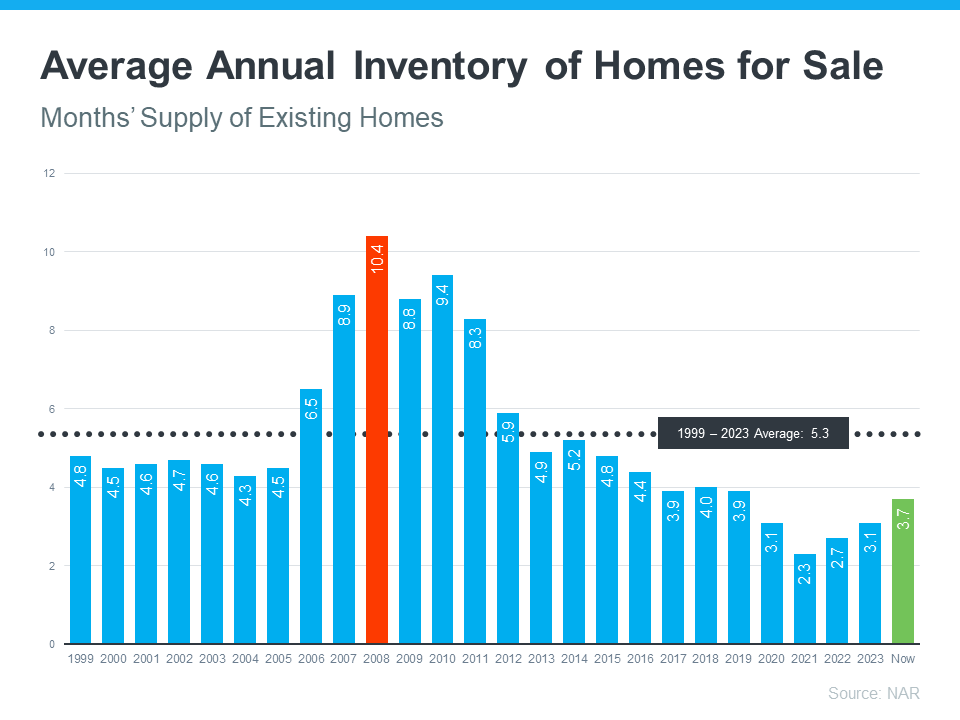
So, what does this mean? There just aren’t enough homes available to make values drop. To have a repeat of 2008, there’d need to be a lot more people selling their houses with very few buyers, and that’s not the case right now.

New Home Construction

People are also talking a lot about what’s going on with newly built houses these days, and that might make you wonder if homebuilders are overdoing it. Even though new homes make up a larger percentage of the total inventory than the norm, there’s no need for alarm. Here’s why.

The graph below uses data from the Census to show the number of new houses built over the last 52 years. The orange on the graph shows the overbuilding that happened in the lead-up to the crash. And, if you look at the red in the graph, you’ll see that builders have been underbuilding pretty consistently since then: No Caption Received
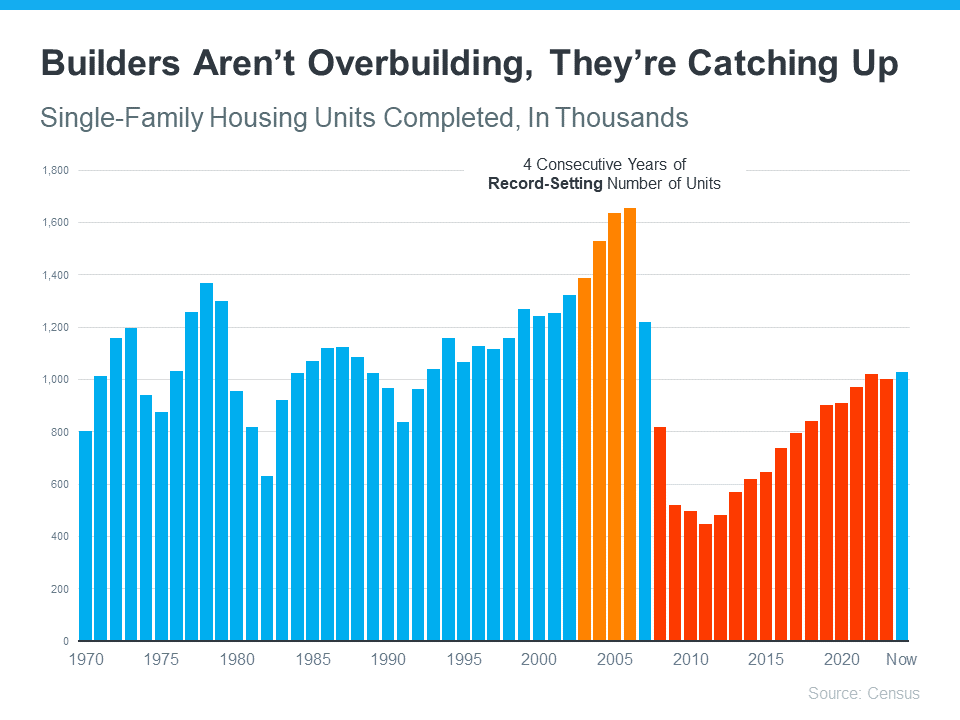
There’s just too much of a gap to make up. Builders aren’t overbuilding today, they’re catching up. A recent article from Bankrate says:

“What’s more, builders remember the Great Recession all too well, and they’ve been cautious about their pace of construction. The result is an ongoing shortage of homes for sale.”

Distressed Properties (Foreclosures and Short Sales)

The last place inventory can come from is distressed properties, including short sales and foreclosures. During the housing crisis, there was a flood of foreclosures due to lending standards that allowed many people to get a home loan they couldn’t truly afford.

Today, lending standards are much tighter, resulting in more qualified buyers and far fewer foreclosures. The graph below uses data from ATTOM to show how things have changed since the housing crash: No Caption Received
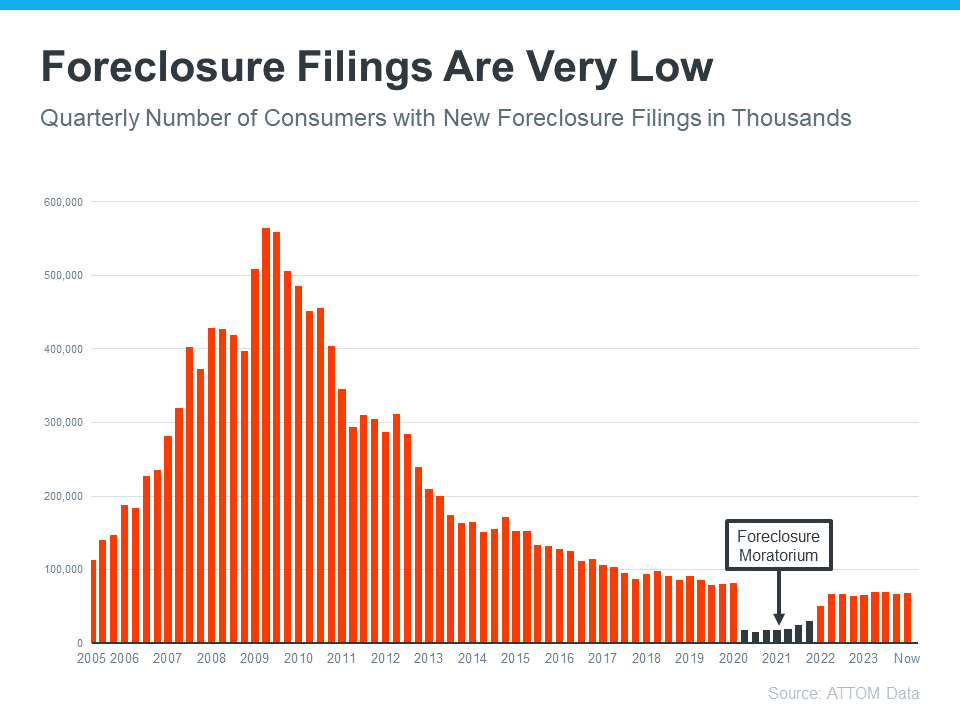
This graph makes it clear that as lending standards got tighter and buyers became more qualified, the number of foreclosures started to go down. And in 2020 and 2021, the combination of a moratorium on foreclosures (shown in black) and the forbearance program helped prevent a repeat of the wave of foreclosures we saw when the market crashed.

While you may see headlines that foreclosure volume is ticking up – remember, that’s only compared to recent years when very few foreclosures happened. We’re still below the normal level we’d see in a typical year.

What This Means for You

Inventory levels aren’t anywhere near where they’d need to be for prices to drop significantly and the housing market to crash. As Forbes explains:

“As already-high home prices continue trending upward, you may be concerned that we’re in a bubble ready to pop. However, the likelihood of a housing market crash—a rapid drop in unsustainably high home prices due to waning demand—remains low for 2024.”

Mark Fleming, Chief Economist at First American, points to the laws of supply and demand as a reason why we aren’t headed for a crash:

“There’s just generally not enough supply. There are more people than housing inventory. It’s Econ 101.”

And Lawrence Yun, Chief Economist at the National Association of Realtors (NAR), says:

“We will not have a repeat of the 2008–2012 housing market crash. There are no risky subprime mortgages that could implode, nor the combination of a massive oversupply and overproduction of homes.”

Bottom Line

The market doesn’t have enough available homes for a repeat of the 2008 housing crisis – and there’s nothing that suggests that will change anytime soon. That’s why housing experts and inventory data tell us there isn’t a crash on the horizon.


Posted in: Foreclosure Tagged: Addington Realty Group, Arizona, Build Equity, Buy a Home, buying myths, California, Camarillo, Downsizing, First Time Home Buyers, Good Time to Sell, Hedge Against Inflation, Home Affordability, Home Equity, home prices, Homebuyer, Homebuyers, Homebuying, Homeownership, housing market, Housing Market Update, Housing Market Updates, Inflation, Low Inventory, market trends, mortgage rates, Move-Up Home Buyers, Oxnard, Phoenix, Prescott, Prescott Valley, Price Appreciation, Pricing, Real Estate, Real Estate Agent, Real Estate Broker, Real Estate Expert, Real Estate Market, Realtor, Rent vs Buy, Right Price, Scottsdale, Sell Your House, Sellers Market, Selling Myths, Selling Potential, Selling Your House, Simi Valley, Things Realtors See, Thousand Oaks, Trusted Realtor, Ventura, Wealth Building

Things To Avoid After Applying for a Mortgage in Prescott Valley, Arizona [INFOGRAPHIC]

Posted in: Buyer Tips Tagged: Addington Realty Group, Arizona, Build Equity, Buy a Home, buying myths, California, Camarillo, First Time Home Buyers, Good Time to Sell, Hedge Against Inflation, Home Affordability, home prices, Homebuyer, Homebuyers, Homebuying, Homeownership, housing market, Housing Market Update, Housing Market Updates, Inflation, Infographics, Low Inventory, market trends, mortgage, mortgage rates, Move-Up Home Buyers, Oxnard, Phoenix, Prescott, Prescott Valley, Price Appreciation, Pricing, Real Estate, Real Estate Agent, Real Estate Broker, Real Estate Expert, Real Estate Market, Realtor, Rent vs Buy, Right Price, Scottsdale, Simi Valley, Things Realtors See, Thousand Oaks, Trusted Realtor, Ventura, Wealth Building

Real Estate Still Holds the Title of Best Long-Term Investment in Oxnard, California

Real Estate Still Holds the Title of Best Long-Term Investment

With all the headlines circulating about home prices and mortgage rates, you may be asking yourself if it still makes sense to buy a home right now, or if it’s better to keep renting. Here’s some information that could help put your mind at ease by showing that investing in a home is still a powerful decision.

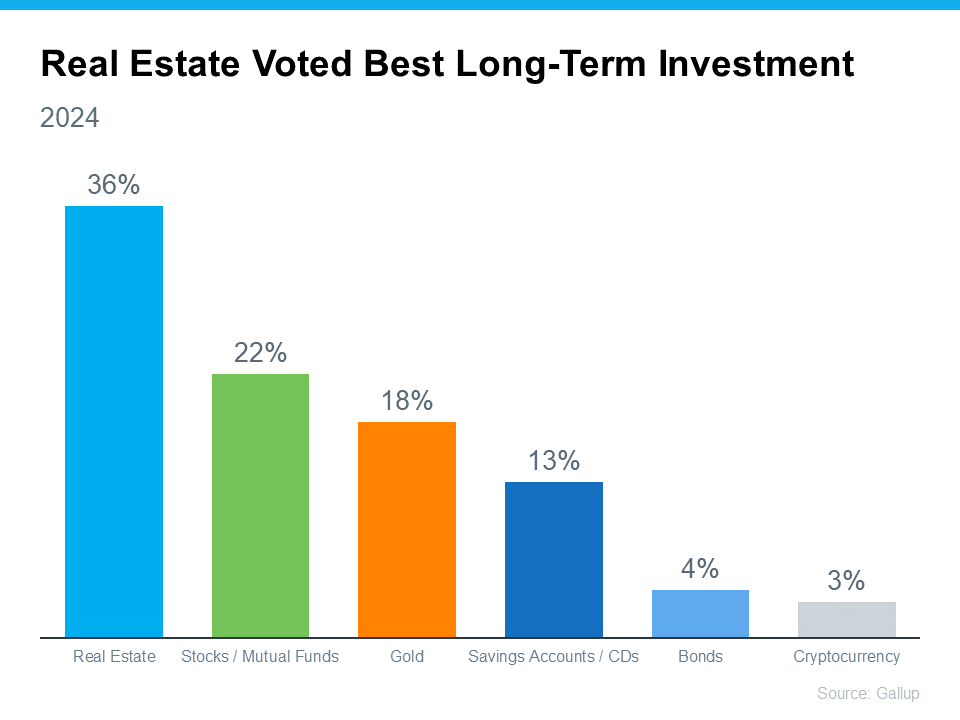
According to the experts at Gallup, real estate has been crowned the top long-term investment for a whopping 12 years in a row. It has consistently beat out other investment types like gold, stocks, and bonds. Just take a look at the graph below – it speaks volumes:No Caption Received

But why does real estate continue to reign supreme as a top-notch long-term investment? It’s because, even today, buying a home can be your golden ticket to building wealth over time.

Unlike other investments that can feel a bit like riding a rollercoaster with all the ups and downs and ongoing risk factors, real estate follows a more predictable and positive pattern.

History shows home values usually rise. And while prices may vary by market, that means as time goes by, your house is likely to appreciate in value. And that helps you grow your net worth in a big way. As an article from Realtor.com explains:

“Homeownership has long been tied to building wealth—and for good reason. Instead of throwing rent money out the window each month, owning a home allows you to build home equity. And over time, equity can turn your mortgage debt into a sizeable asset.”

So, if you’re on the fence about whether to rent or buy, remember that real estate was consistently voted the best long-term investment for a reason. And if you want to get in on that action, it may make sense to go ahead and buy (if you’re ready and able).

Bottom Line

When it comes to building wealth that stands the test of time, real estate is the name of the game. If you’re ready to start on your own journey toward homeownership, let’s connect today.

Posted in: Buyer Tips Tagged: Addington Realty Group, Arizona, Build Equity, Buy a Home, buying myths, California, Camarillo, Downsizing, First Time Home Buyers, Good Time to Sell, Hedge Against Inflation, Home Affordability, home prices, Homebuyer, Homebuyers, Homebuying, Homeownership, housing market, Housing Market Update, Housing Market Updates, Inflation, Low Inventory, market trends, mortgage, mortgage rates, Mortgage Trends, Move-Up Home Buyers, Oxnard, Phoenix, Prescott, Prescott Valley, Price Appreciation, Pricing, Real Estate, Real Estate Agent, Real Estate Broker, Real Estate Expert, Real Estate Market, Realtor, Rent vs Buy, Right Price, Scottsdale, Sell Your House, Sellers Market, Selling Myths, Selling Potential, Selling Your House, Simi Valley, Things Realtors See, Thousand Oaks, Trusted Realtor, Ventura, Wealth Building

Housing Market Forecast for the 2nd Half of 2024 in Simi Valley, California [INFOGRAPHIC]

Posted in: Infographics Tagged: Addington Realty Group, Arizona, Build Equity, Buy a Home, buying myths, California, Camarillo, Downsizing, First Time Home Buyers, Forecasts, Good Time to Sell, Hedge Against Inflation, Home Affordability, home prices, Homebuyer, Homebuyers, Homebuying, Homeownership, housing market, Housing Market Update, Housing Market Updates, Inflation, Infographics, Low Inventory, market trends, Median Home Prices, mortgage rates, Move-Up Home Buyers, Oxnard, Phoenix, Prescott, Prescott Valley, Price Appreciation, Pricing, Real Estate, Real Estate Agent, Real Estate Broker, Real Estate Expert, Real Estate Market, Realtor, Rent vs Buy, Right Price, Scottsdale, Sell Your House, Sellers Market, Selling Potential, Selling Your House, Simi Valley, Things Realtors See, Thousand Oaks, Trusted Realtor, Ventura, Wealth Building

Focus on Time in the Market, Not Timing the Market in Scottsdale, Arizona

Focus on Time in the Market, Not Timing the Market

Should you buy a home now or should you wait? That’s a big question on many people’s minds today. And while what timing is right for you will depend on a lot of other personal factors, here’s something you may not have considered.

If you’re able to buy at today’s rates and prices, it may be better to focus on time in the market, rather than timing the market.

The Downside of Trying To Time the Market 

Trying to time the market isn’t a good strategy because things can change. Here’s an example. For the better part of this year, projections have said mortgage rates will come down. And while experts agree that’s still what’s ahead, shifts in various market and economic factors have pushed back the timing of when that’ll happen. Here’s how that’s impacted homebuyers who’ve been sitting on the sidelines. As U.S. News says:

“Those who put off buying a home during the past few years as they were holding out for lower mortgage rates have been left out of the market . . . mortgage rates have stayed higher for longer than previously expected, keeping monthly housing payments elevated. In other words, affordability didn’t improve for those who chose to wait.”

This is why timing the market may not pay off if you’re ready and able to buy now.

The Proof Is in the Pudding: How Homeowners Benefit from Rising Home Prices

Delaying your plans also means missing out on the equity you’d gain if you went ahead with your purchase today. And the potential equity gains that are at stake may surprise you.

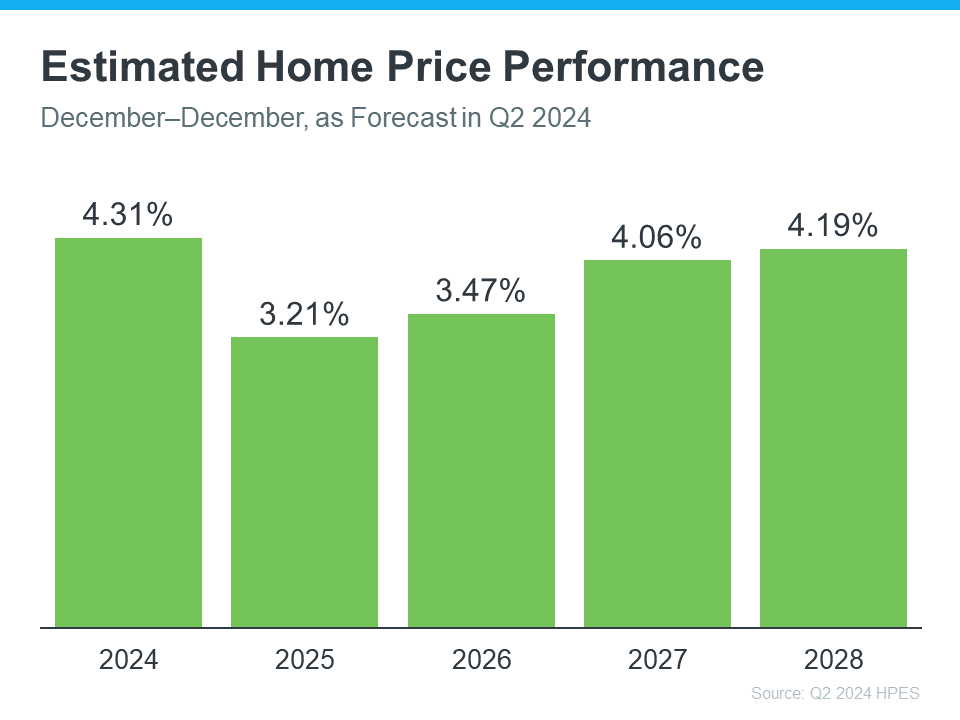
Each quarter, Fannie Mae releases the Home Price Expectations Survey. It asks over one hundred economists, real estate experts, and investment and market strategists what they forecast for home prices over the next five years. In the latest release, experts are projecting home prices will continue to rise through at least 2028 (see the graph below): No Caption Received

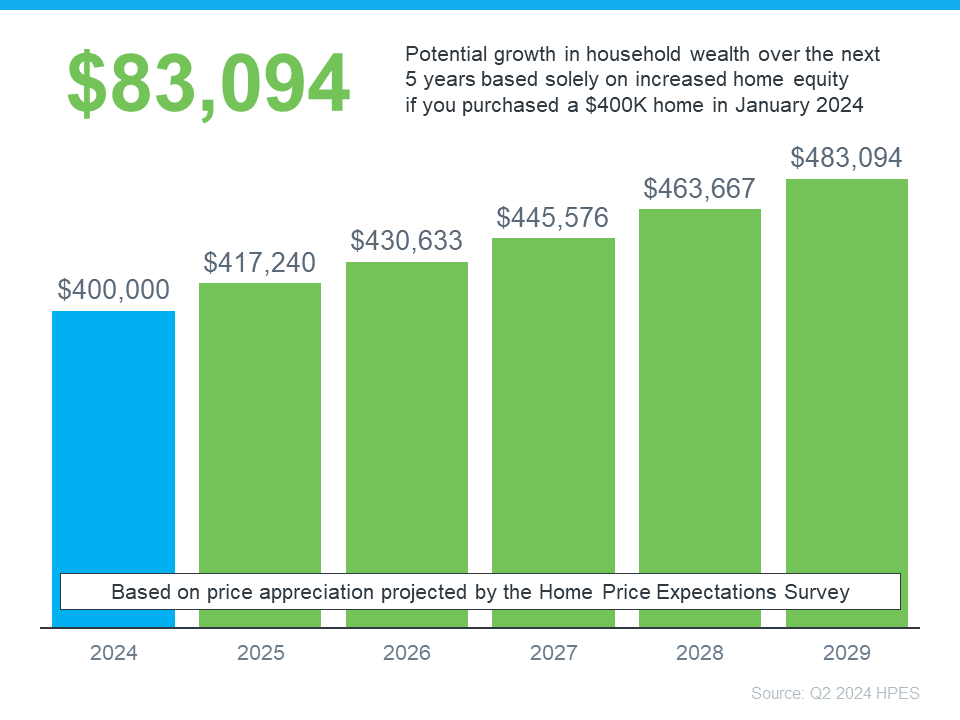
To give these numbers context, let’s take a look at a breakdown of what you stand to gain once you buy. The graph below uses a typical home’s value to show how a home could appreciate over the next few years using those HPES projections: No Caption Received

In this example, let’s say you went ahead and bought a $400,000 home at the beginning of this year. Based on the expert forecasts from the HPES, you could gain more than $83,000 in household wealth over the next five years. That’s not a small number.

This data helps paint the picture of why time in the market really matters.

The Advice You Need To Hear If You’re Ready and Able To Buy Now

Right now, you may be focused on what’s happening with mortgage rates and how those impact your monthly payment, but don’t forget to factor in home prices.

Prices are expected to continue climbing, just at a more moderate pace. And while a moderate rise in prices may not be fun for you now, once you own a home, that growth will be a huge perk. That’s the time in the market piece.

Sure, you could try timing the market, but the equity you’ll be missing out on in the meantime is something to seriously consider. If you’re ready and able to buy now, you have to decide: is it really worth waiting?

Rather than focusing on timing the market. It’s better to have time in the market.

As U.S. News Real Estate sums up:

“There’s never a one-size-fits-all answer to whether now is the right time to buy a home. . . . There’s also no way to predict precisely what the market will do in the near future . . . Perfectly timing the market shouldn’t be the goal. This decision should be determined by your personal needs, financial means and the time you have to find the right home.” 

Bottom Line

If you’re debating whether to buy now or wait, remember it’s time in the market, not timing the market. And if you want to get the ball rolling and set yourself up for those big equity gains, let’s connect to make it happen.

Posted in: Buyer Tips Tagged: Addington Realty Group, Arizona, Build Equity, Buy a Home, buying myths, California, Camarillo, Downsizing, Economy, First Time Home Buyers, Good Time to Sell, Hedge Against Inflation, Home Affordability, home prices, Homebuyer, Homebuyers, Homebuying, Homeownership, housing market, Housing Market Update, Housing Market Updates, Inflation, Low Inventory, Market Data, market trends, Market Value, mortgage rates, Move-Up Home Buyers, Oxnard, Phoenix, Prescott, Prescott Valley, Price Appreciation, Pricing, Real Estate, Real Estate Agent, Real Estate Broker, Real Estate Expert, Real Estate Market, Realtor, Rent vs Buy, Right Price, Scottsdale, Simi Valley, Things Realtors See, Trusted Realtor, Ventura, Wealth Building

How Long Will It Take To Sell My House in Prescott Valley, Arizona?

How Long Will It Take To Sell My House?

You want your house to sell fast. And you may be wondering how long the whole process is going to take. One way to get your answer? Work with a local real estate agent.

They have the expertise to tell you how quickly homes are selling in your area and what’s impacting timelines for other sellers. That way you have realistic expectations and can work together to come up with a plan that’s based on today’s market.

Here’s a high-level overview of just one of the factors a great agent will walk you through – the supply of homes for sale and how that impacts your process.

The Growing Supply of Homes for Sale

Over the past few months, the number of homes for sale has increased. This is good news when you move because it means you’ll have more options as you search for your next home. But it also means buyers have more to choose from, so if your house doesn’t stand out – it may take a bit longer to sell.

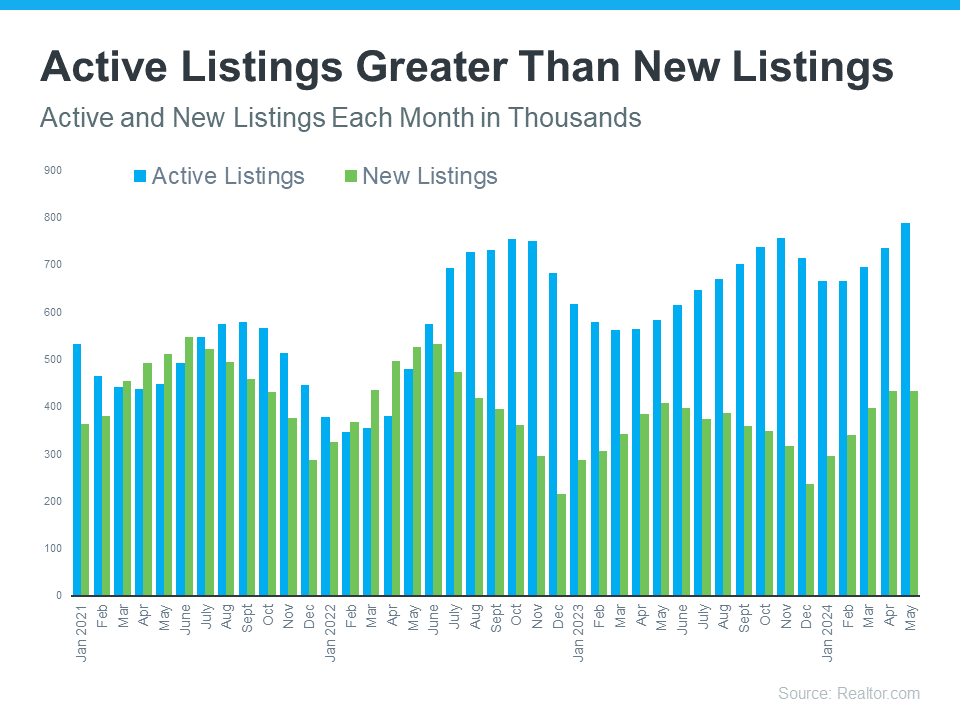
Available inventory is made up of new listings (homes that were just put up for sale) and active listings (homes that were already on the market but haven’t sold yet). And if you look at data from Realtor.com you can see a good portion of the recent growth is from active listings that are sticking around (see the blue bars in the graph below):

How It’s Impacting Listings Today

Think of the homes on the market like loaves of bread for sale in a bakery. When a fresh batch of bread is put out, everyone wants the newest and hottest one. But if a loaf sits there too long, it starts to get stale, and fewer people want to buy it.

The same goes for homes. New listings are the freshest and most sought-after. But if a home isn’t priced correctly, doesn’t show well, or it doesn’t have an effective sales or marketing strategy behind it, it can sit on the market and become less appealing to buyers over time.

An Agent Will Help Your House Stand Out and Sell Quickly

Timing is important to you. You want to get this done, fast. By leaning on a pro, they’ll make sure your listing is fresh and doesn’t stick around long enough to go stale. As the National Association of Realtors (NAR) explains:

“Home sellers without an agent are nearly twice as likely to say they didn’t accept an offer for at least three months; 53% of sellers who used an agent say they accepted an offer within a month of listing their home.”

Your agent will factor the recent inventory growth into their plan and create a customized selling strategy for your house. The supply of homes for sale can vary a lot by area. So they’ll do things like share their valuable insights into what’s happening with supply in your market, help you price your home correctly, and create a marketing plan that gets your home noticed.

Don’t let your listing get stale—reach out to a real estate agent today to make sure your listing is fresh and appeals to buyers from the start. It makes a big difference.

Bottom Line

If you want your house to sell fast, you need to work with a pro. Let’s connect so you’ve got someone who understands the current market trends and how to build a strategy around those factors, so your house is set up to sell quickly.

Posted in: Seller Tips Tagged: Addington Realty Group, Arizona, Build Equity, Buy a Home, buying myths, California, Camarillo, Downsizing, Good Time to Sell, Hedge Against Inflation, Home Affordability, home inventory, Homeownership, housing market, Housing Market Update, Housing Market Updates, Inflation, Inventory, List Your House, Low Inventory, market trends, mortgage rates, Oxnard, Phoenix, Prescott, Prescott Valley, Price Appreciation, Pricing, Real Estate, Real Estate Agent, Real Estate Broker, Real Estate Expert, Real Estate Market, Realtor, Rent vs Buy, Right Price, Scottsdale, Sell Your House, Sellers Market, Selling Myths, Selling Potential, Selling Your House, Simi Valley, Things Realtors See, Thousand Oaks, Trusted Realtor, Ventura, Wealth Building

Housing Market Forecast: What’s Ahead for the 2nd Half of 2024 in Prescott, Arizona

Housing Market Forecast: What’s Ahead for the 2nd Half of 2024

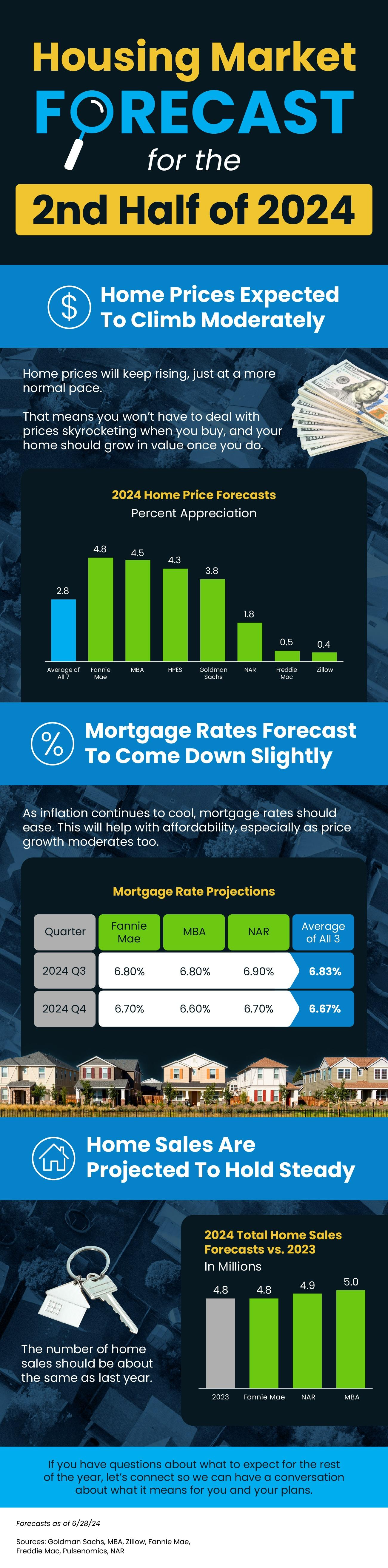
As we move into the second half of 2024, here’s what experts say you should expect for home prices, mortgage rates, and home sales.

Home Prices Are Expected To Climb Moderately

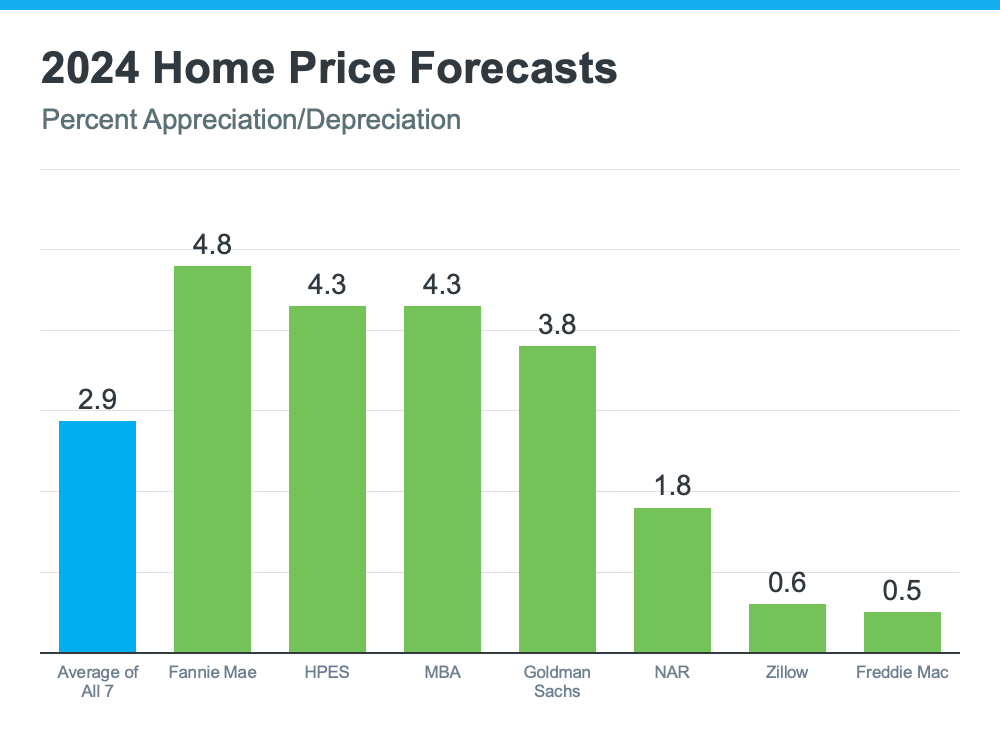
Home prices are forecasted to rise at a more normal pace. The graph below shows the latest forecasts from seven of the most trusted sources in the industry:

No Caption Received

The reason for continued appreciation? The supply of homes for sale. Jessica Lautz, Deputy Chief Economist at the National Association of Realtors (NAR), explains:

“One thing that seems to be pretty solid is that home prices are going to continue to go up, and the reason is that we don’t have housing inventory.”

While inventory is up compared to the last couple of years, it’s still low overall. And because there still aren’t enough homes to go around, that’ll keep upward pressure on prices.

If you’re thinking of buying, the good news is you won’t have to deal with prices skyrocketing like they did during the pandemic. Just remember, prices aren’t expected to drop. They’ll continue climbing, just at a slower pace.

So, getting into the market sooner rather than later could still save you money in the long run. Plus, you can feel confident experts say your home will grow in value after you buy it.

Mortgage Rates Are Forecast To Come Down Slightly

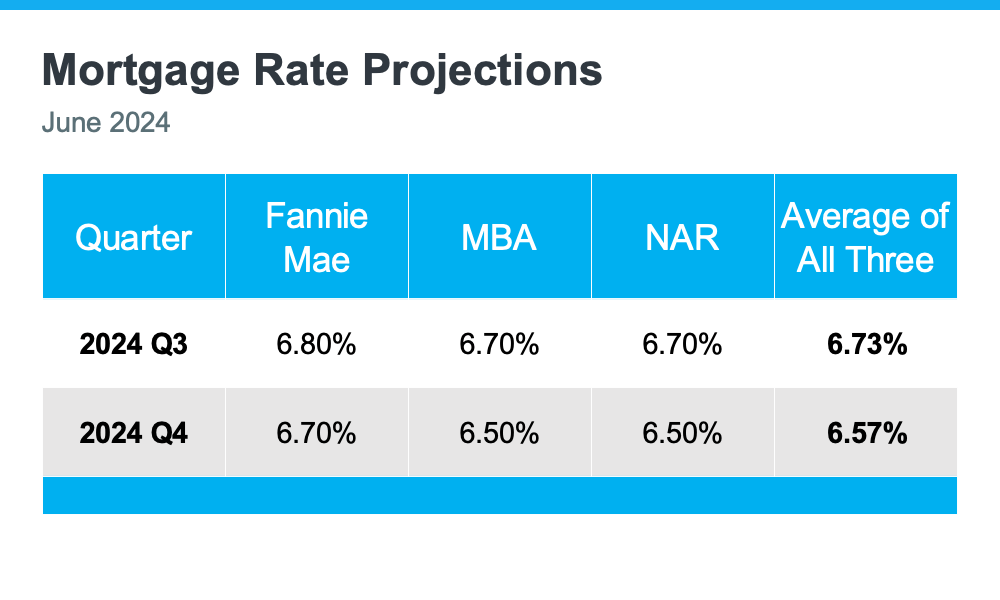
One of the best pieces of news for both buyers and sellers is that mortgage rates are expected to come down a bit, according to Fannie Mae, the Mortgage Bankers Association (MBA), and NAR (see chart below):

No Caption ReceivedWhen you buy, even a small drop in mortgage rates can make a big difference in your monthly payments. For sellers, lower rates will bring more buyers back into the market, which can help you sell faster and potentially at a higher price. Plus, it may help you get off the fence, if you’ve been hesitant to sell due to today’s rates.

Home Sales Are Projected To Hold Steady

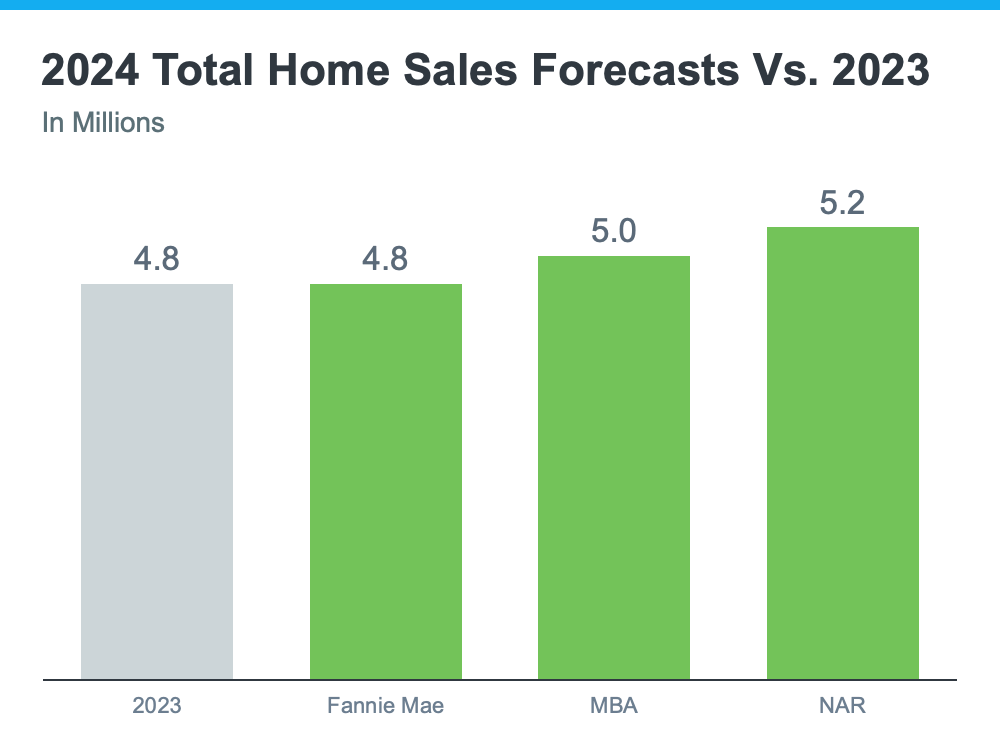
For 2024, the number of home sales will be about the same as last year and may even rise slightly. The graph below compares the 2024 home sales forecasts from Fannie Mae, MBA, and NAR to the 4.8 million homes that sold last year:

No Caption Received

The average of the three forecasts is about 5 million sales in 2024 – a small increase from 2023. Lawrence Yun, Chief Economist at NAR, explains why:

“Job gains, steady mortgage rates and the release of inventory from pent-up home sellers will lead to more sales.”

With more inventory available and mortgage rates expected to go down, a few more homes are expected to be sold this year compared to last year. This means more people will be able to move. Let’s work together to make sure you’re one of them.

Bottom Line

If you have any questions or need help navigating the market, reach out.

Posted in: Buyer Tips, Home Tips, Seller Tips Tagged: Addington Realty Group, Arizona, Build Equity, Buy a Home, buying myths, California, Camarillo, Downsizing, First Time Home Buyers, Forecasts, Good Time to Sell, Hedge Against Inflation, Home Affordability, home inventory, home prices, Homebuyer, Homebuyers, Homebuying, Housing Market Update, Housing Market Updates, Inflation, Inventory, Low Inventory, market trends, Median Home Prices, mortgage rates, Move-Up Home Buyers, Oxnard, Phoenix, Prescott, Prescott Valley, Price Appreciation, Pricing, Real Estate, Real Estate Agent, Real Estate Broker, Real Estate Expert, Real Estate Market, Realtor, Rent vs Buy, Right Price, Scottsdale, Sell Your House, Sellers Market, Selling Myths, Selling Potential, Selling Your House, Simi Valley, Things Realtors See, Thousand Oaks, Trusted Realtor, Ventura, Wealth Building

The Downsides of Selling Your House Without an Agent in Ventura, California [INFOGRAPHIC]

Posted in: Seller Tips Tagged: Addington Realty Group, Arizona, Build Equity, California, Camarillo, Downsizing, For Sale by Owner, For Sellers, Good Time to Sell, Hedge Against Inflation, Home Affordability, housing market, Housing Market Update, Housing Market Updates, Inflation, Infographics, Low Inventory, market trends, mortgage rates, Oxnard, Phoenix, Prescott, Prescott Valley, Price Appreciation, Pricing, Real Estate, Real Estate Agent, Real Estate Broker, Real Estate Expert, Real Estate Market, Realtor, Rent vs Buy, Right Price, Scottsdale, Sell Your House, Sellers Market, Selling Myths, Selling Potential, Selling Your House, Simi Valley, Sweet Spot for Sellers, Things Realtors See, Thousand Oaks, Trusted Realtor, Ventura, Wealth Building

Do Elections Impact the Housing Market in Phoenix, Arizona?

Do Elections Impact the Housing Market?

The 2024 Presidential election is just months away. As someone who’s thinking about potentially buying or selling a home, you’re probably curious about what effect, if any, elections have on the housing market.

It’s a great question because buying or selling a home is a major decision, and it’s natural to wonder how such a major event might impact your plans.

Historically, Presidential elections have only had a small, temporary impact on the housing market. Here’s the latest on exactly what’s happened to home sales, prices, and mortgage rates throughout those time periods.

Home Sales

During the month of November, in years when the Presidential election takes place, there’s typically a slight slowdown in home sales. As Ali Wolf, Chief Economist at Zonda, explains:

“Usually, home sales are unchanged compared to a non-election year with the exception being November. In an election year, November is slower than normal.”

This is mostly because some people feel uncertain and hesitant about making big decisions during such a pivotal time. However, it’s important to know this slowdown is temporary. Historically, home sales bounce back in December and continue to rise the following year.

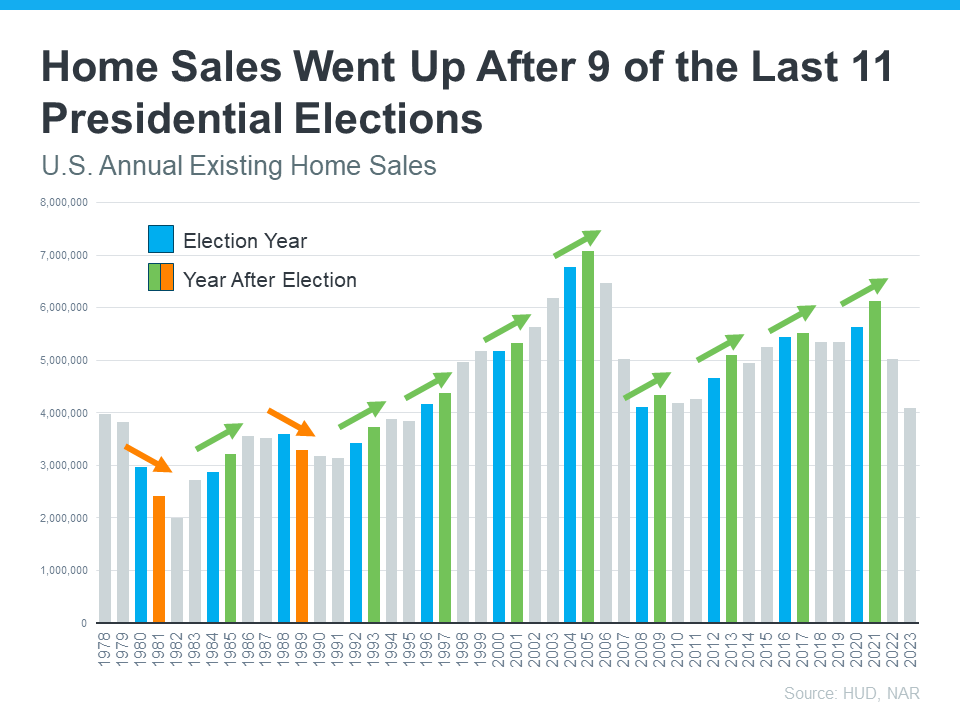
In fact, data from the Department of Housing and Urban Development (HUD) and the National Association of Realtors (NAR) shows after nine of the last 11 Presidential elections, home sales went up the next year (see graph below): No Caption Received

The graph shows annual home sales going back to 1978. Each year with a Presidential election is noted in blue. The year immediately after each election is green if existing home sales rose that year. The two orange bars represent the only years when home sales decreased after an election.

Home Prices

What about home prices? Do they drop during election years? Not typically. As residential appraiser and housing analyst Ryan Lundquist puts it:

“An election year doesn’t alter the price trend that is already happening in the market.”

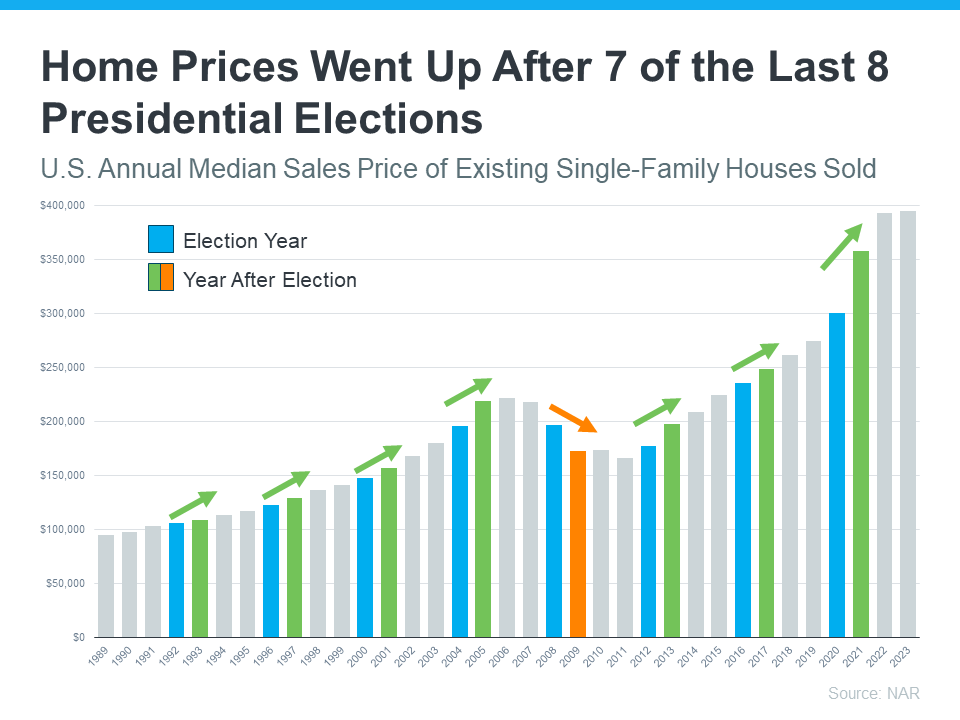
Home prices are pretty resilient. They generally rise year-over-year, regardless of elections. The latest data from NAR shows after seven of the last eight Presidential elections, home prices increased the following year (see graph below): No Caption Received

Just like the previous graph, this shows election years in blue. The only year when prices declined after an election is in orange. That was during the housing market crash, which was far from a typical year. Today’s market is different than it was back then.

All the green bars represent when prices rose the following year. So, if you’re worried about your home losing value because of an election, you can rest easy knowing prices rise after most Presidential elections.

Mortgage Rates

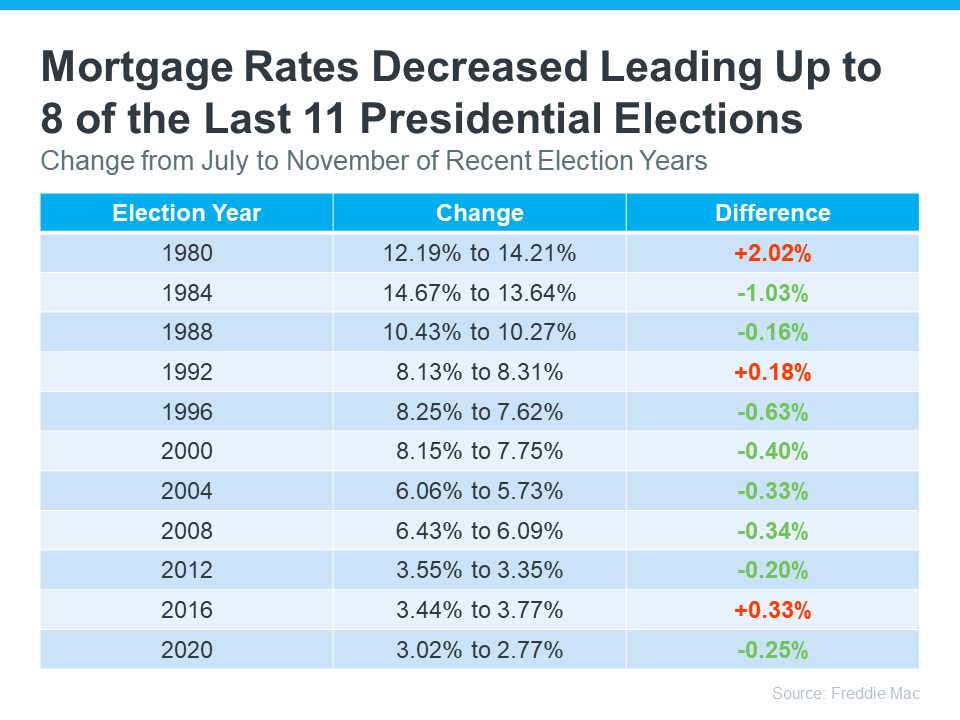
Mortgage rates are important because they affect how much your monthly payment will be when you buy a home. Looking at the last 11 Presidential election years, data from Freddie Mac shows mortgage rates decreased from July to November in eight of them (see chart below): No Caption Received

Most forecasts expect mortgage rates to ease slightly throughout the remainder of the year. If they’re right, this year will follow the trend of declining rates leading up to most previous elections. And if you’re looking to buy a home in the coming months, this could be good news, as lower rates could mean a lower monthly payment.

What This Means for You

So, what’s the big takeaway? While Presidential elections do have some impact on the housing market, the effects are usually small and temporary. As Lisa Sturtevant, Chief Economist at Bright MLS, says:

“Historically, the housing market doesn’t tend to look very different in presidential election years compared to other years.”

For most buyers and sellers, elections don’t have a major impact on their plans.

Bottom Line

While it’s natural to feel a bit uncertain during an election year, history shows the housing market remains strong and resilient. For help navigating the market, election year or not, let’s connect.

Posted in: Home Tips Tagged: Addington Realty Group, Arizona, Build Equity, Buy a Home, buying myths, California, Camarillo, Downsizing, First Time Home Buyers, Good Time to Sell, Hedge Against Inflation, Home Affordability, home prices, Homebuyer, Homebuyers, Homebuying, Homeownership, housing market, Housing Market Update, Housing Market Updates, Inflation, Low Inventory, Market Data, market knowledge, market trends, mortgage rates, Move-Up Home Buyers, Oxnard, Phoenix, Prescott, Price Appreciation, Pricing, Real Estate, Real Estate Agent, Real Estate Broker, Real Estate Expert, Real Estate Market, Realtor, Rent vs Buy, Right Price, Scottsdale, Sell Your House, Sellers Market, Selling Myths, Selling Potential, Selling Your House, Simi Valley, Things Realtors See, Thousand Oaks, Trusted Realtor, Ventura, Wealth Building

Home Prices Aren’t Declining, But Headlines Might Make You Think They Are in Prescott Valley, Arizona

Home Prices Aren’t Declining, But Headlines Might Make You Think They Are

If you’ve seen the news lately about home sellers slashing prices, it’s a great example of how headlines do more to terrify than clarify. Here’s what’s really happening with prices.

The bottom line is home prices are higher than they were a year ago at this time, and they’re expected to keep rising, just at a slower pace.

But a recent article from Redfin notes,

“Price Drops Hit Highest Level in 18 Months As High Rates Dampen Buyer Demand.”

And that might make you think prices are declining.

Now, while it’s true the latest report from Realtor.com also shows 16.6% of homes on the market had price reductions in May, which is up from 12.7% last May, that doesn’t mean overall home prices are falling.

The key is knowing the difference between the asking price and the sold price.

Understanding Asking Price vs. Sold Price

In essence, the asking price, also known as a listing price, is the amount a seller hopes to get for their home when they list it. In reality, sellers can’t just put any price tag on their house and expect it to sell for top dollar. Today’s buyers are savvy customers, and when they aren’t willing to pay a premium for a home because their budgets are strained by higher mortgage rates, sellers need to adjust. And that’s what’s happening right now.

Based on market factors and what offers that seller receives, that asking price can change. If a seller isn’t getting much foot traffic, you may see them revise the price and make an adjustment to reignite interest in the home – and sometimes that’s because they’ve overpriced it from the start. That’s where price reductions come in, and when you see “price drops” in a headline, it sounds like declining home prices.

Mike Simonsen, CEO and Founder of Altos Research, says:

“Not only is the share of homes with price cuts elevated compared to one year ago, but more price cuts are happening each week than last year.”

On the other hand, the final sold price is the amount a buyer actually pays when the transaction is complete.

Here’s the most important thing to note: Actual sold prices are still rising, and they’re expected to continue to do so at least over the next 5 years.

What Does This Mean for Home Prices?

So, while there’s been an increase in price reductions recently, this doesn’t mean overall home values are declining. Instead, it’s a sign that demand is moderating. And, as a result, sellers are adjusting their expectations to align with today’s market reality.

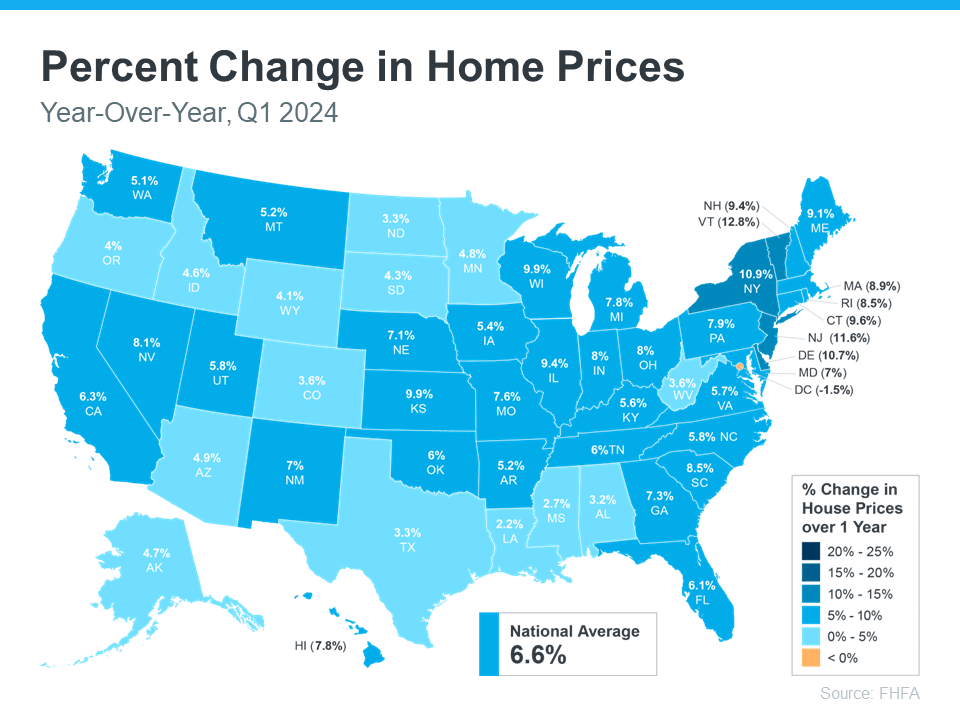
Even with more price reductions, home values are still growing on an annual basis, as they do nearly every year in the housing market. According to the Federal Housing Finance Agency (FHFA), home prices went up 6.6% over the last year (see below):No Caption Received

This map shows how prices rose just about everywhere in the country, indicating the market is not in decline.

So, while seller price reductions are often a leading indicator that prices may moderate in the months ahead, which experts have been saying for a while is expected to happen, they aren’t necessarily reason for alarm. The same article from Redfin also states:

“. . .those metrics suggest sale-price growth could soften in the coming months as persistently high mortgage rates turn off homebuyers. For now, the median-home sale price is up 4.3% year over year to another record high. . .”

And with inventory as tight as it is today, price moderation is much more likely in upcoming months than price declines.

Why This Is Good News for Buyers and Sellers

For buyers, more realistic asking prices mean a better chance of securing a home at a fair price. It also means you can enter the market with more confidence, knowing prices are stabilizing rather than continuing to skyrocket.

For sellers, understanding the need to adjust your asking price can lead to faster sales and fewer price negotiations. Setting a realistic price from the start can attract more serious buyers and lead to smoother transactions.

Bottom Line

While the uptick in price reductions might seem troubling, it’s not a cause for concern. It reflects a market adjusting to new conditions. Home prices are continuing to grow, just at a more moderate pace.

Posted in: Buyer Tips, Seller Tips Tagged: Addington Realty Group, Build Equity, Buy a Home, buying myths, California, Camarillo, Downsizing, First Time Home Buyers, Good Time to Sell, Hedge Against Inflation, Home Affordability, home prices, Homebuyer, Homebuyers, Homebuying, Homeownership, housing market, Housing Market Update, Housing Market Updates, Inflation, List Your House, Low Inventory, market trends, Median Home Prices, mortgage rates, Move-Up Home Buyers, Oxnard, Phoenix, Prescott, Prescott Valley, Price Appreciation, Pricing, Real Estate, Real Estate Agent, Real Estate Broker, Real Estate Expert, Real Estate Market, Realtor, Rent vs Buy, Right Price, Scottsdale, Sell Your House, Sellers Market, Selling Myths, Selling Potential, Simi Valley, Things Realtors See, Thousand Oaks, Trusted Realtor, Ventura, Wealth Building

Posts navigation

  • « Previous Page
  • 1
  • …
  • 7
  • 8
  • 9
  • 10
  • 11
  • …
  • 19
  • Next Page »

Resources

  • Sellers
  • Buyers
  • Blog

Featured Communities

  • Temecula
  • Murrieta
  • Wildomar
  • Newbury Park / Thousand Oaks
  • Oak View / Ventura
  • Camarillo
  • Oxnard / Port Hueneme
  • Simi Valley / Moorpark

Search Tools


Serving Southern California & Arizona
Mary Tan Addington CA DRE: 01918535|AZ DRE: BR700334000
Raymond Addington CA DRE: 01976687|AZ DRE: SA700523000
EXP Realty is an Equal Opportunity Employer and supports the Fair Housing Act

Addington Realty Group
Serving California & Arizona

805-419-0781